Making programming environments more accessible
19 November 2025
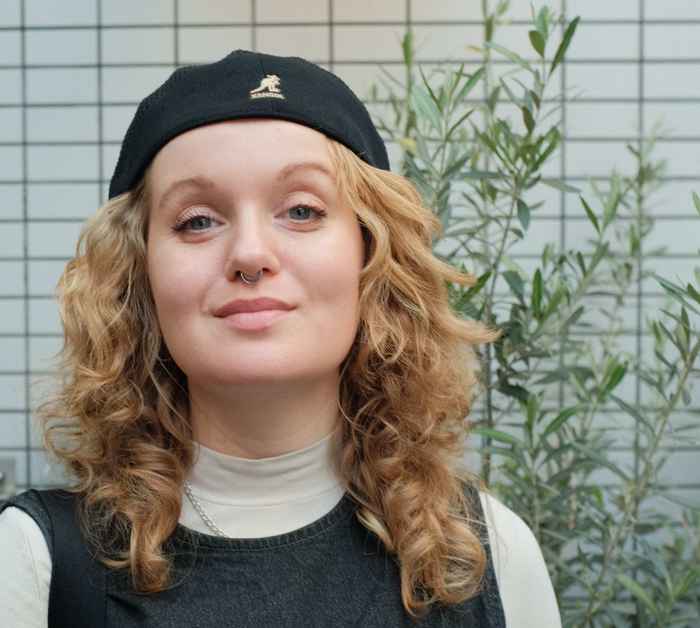
For beginners, programming environments can appear intimidating and complex. However, usability is typically not the main focus when creating these environments. Siân Brooke, Assistant Professor at the Informatics Institute and MacGillavry Fellow, seeks to improve the usability of programming environments, specifically for neurodiverse women, using AI.
How can we make these environments more accessible? Brooke explains: ‘To improve usability, we identify areas where complexity puts on cognitive load or seems intimidating for people starting out. When neurodiversity and gender stereotypes in computing compound these challenges, making the environments more accessible helps eliminate these initial barriers.’
According to Brooke, a hurdle for women is that software development environments are often coded with a masculine approach to problem solving. ‘Older schools of thought think that, to make something appealing to women, you have to make it ‘girly’, make it pink. My argument is that instead, you can include women by making these environments less overtly masculine. It's about how we can create something that isn't patronising and pink, that gives agency and has more people taking part.’
Putting your stamp on it
Brooke was appointed as Assistant Professor via the MacGillavry Fellowship last year. She is very happy to have a position without a predefined end date. Her past year, she describes as ‘a lot of trying to work everything out as you go’. Brooke adds: ‘We have a very friendly MacGillavry cohort this year and my research group is super welcoming.’
Compared to British and German academia, Brooke has noticed she has a lot of freedom in her teaching at the UvA. ‘You can make the courses suit your expertise rather than having a standardized course every year. You can really put your stamp on it, and that's quite fun.’
Veni grant
Recently, Brooke was one of the eleven Faculty of Science researchers who received a Veni grant from NWO to further develop their ideas. ‘I plan to continue working on this idea of AI in programming and programming interfaces, thinking about how we can use them as tools for inclusion. My new PhD student Maria started two days ago, so look forward to collaborating with her.’
In the future, Brooke would like to work on femtech (feminine technology), specifically devices related to women's safety and health. She also likes to expand her research across different domains and research groups. ‘I am collaborating with the Theory of Computer Science group as well, which is really fun because I get to work across many different areas. That is something I really like doing.’