Senior Teaching Qualification for Anuj Pathania and Giovanni Sileno
1 April 2026
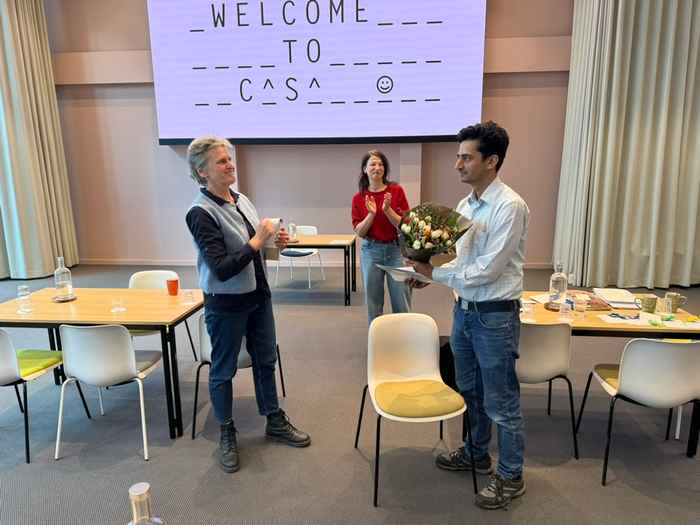
Reimagining Software-Intensive Education in Light of General Availability of Generative AI Technology - Anuj Pathania
As an Assistant Professor in the Parallel Computing Systems (PCS) group and lecturer in various Master’s programmes, Anuj used this project to lay the groundwork for integrating GenAI responsibly and effectively into the Master’s programme Software Engineering. He also explored the challenges introduced in software engineering education assessments due to the widespread availability of GenAI tools. Finally, he analysed the vulnerability of the exit qualification of the programme as a whole and the vulnerabilities of the learning objectives of each of the programme’s constituent courses.
“Rebooting” BSc Information Science (Informatiekunde) – Giovanni Sileno
As Programme Director of the Bachelor's programme Informatiekunde (Information Science), Giovanni led a comprehensive renewal of the programme — tackling a declining student enrolment, a blurred identity, and strengthening the programme's distinct profile as a human-centred computational degree, and deepening its connection to active research groups. His STQ project, titled "Rebooting BSc Information Science", involved redesigning the curriculum through visible learning trajectories, and preparing for the official reaccreditation (January 2026). Ongoing efforts focus on outreach to secondary schools and improving the programme's visibility and attractiveness to prospective students.